


Training
The Bachelor’s degree in Interior Architecture is a three-year program taught by practicing professionals. Combining creativity, rigor, and a contemporary perspective, it trains interior designers to conceptualize, transform, and enhance interior environments with purpose, method, and responsibility.
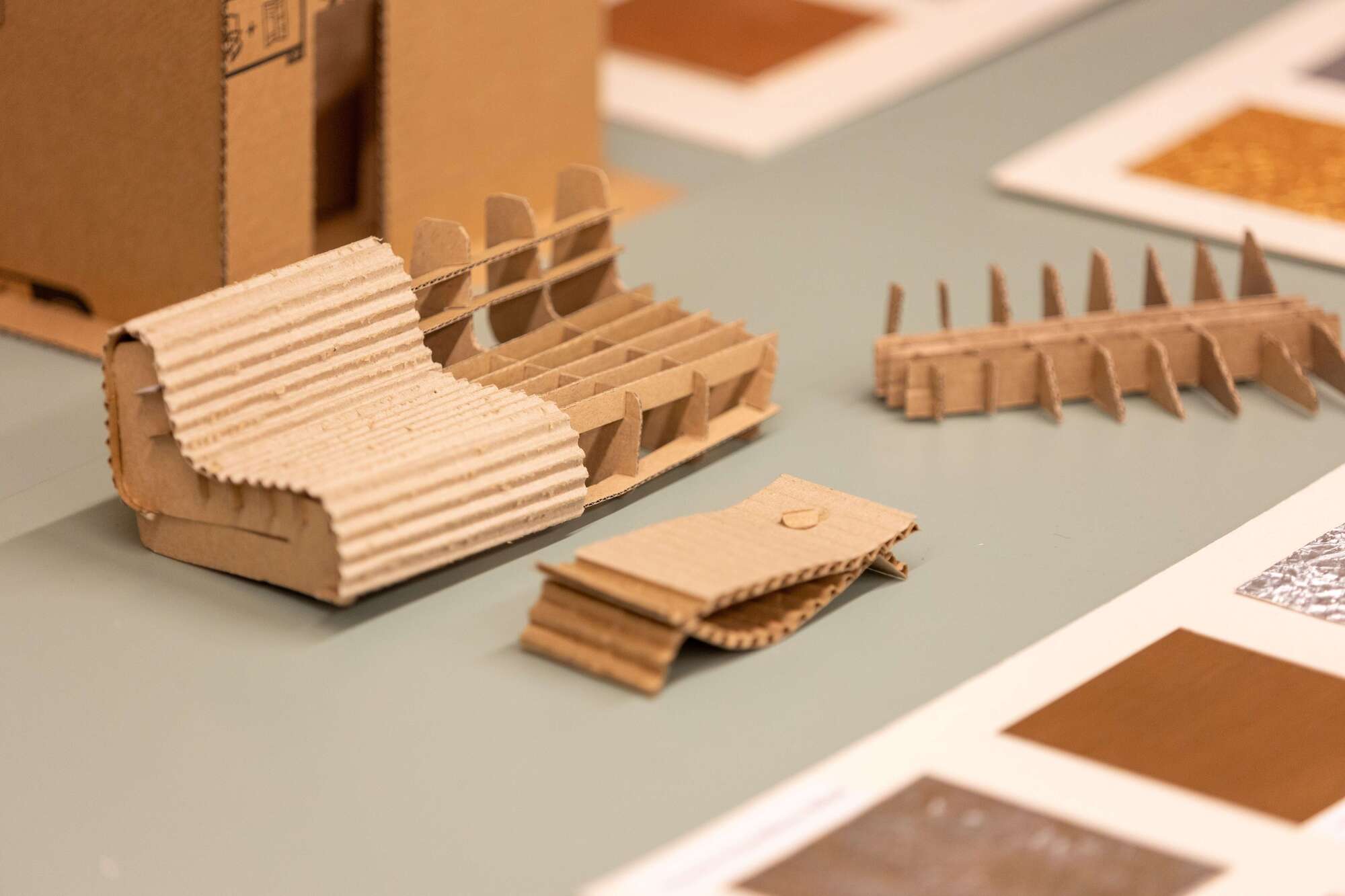
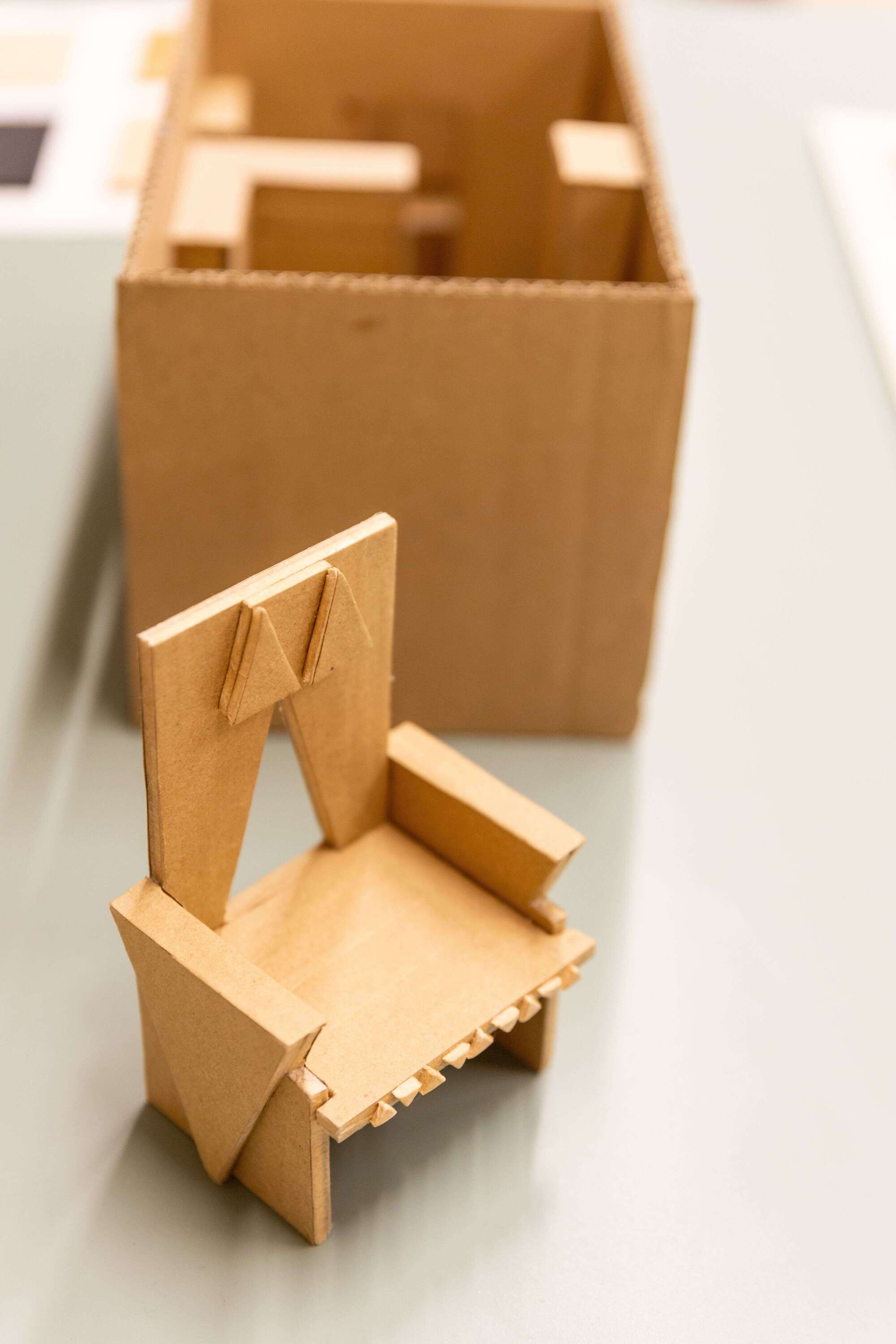
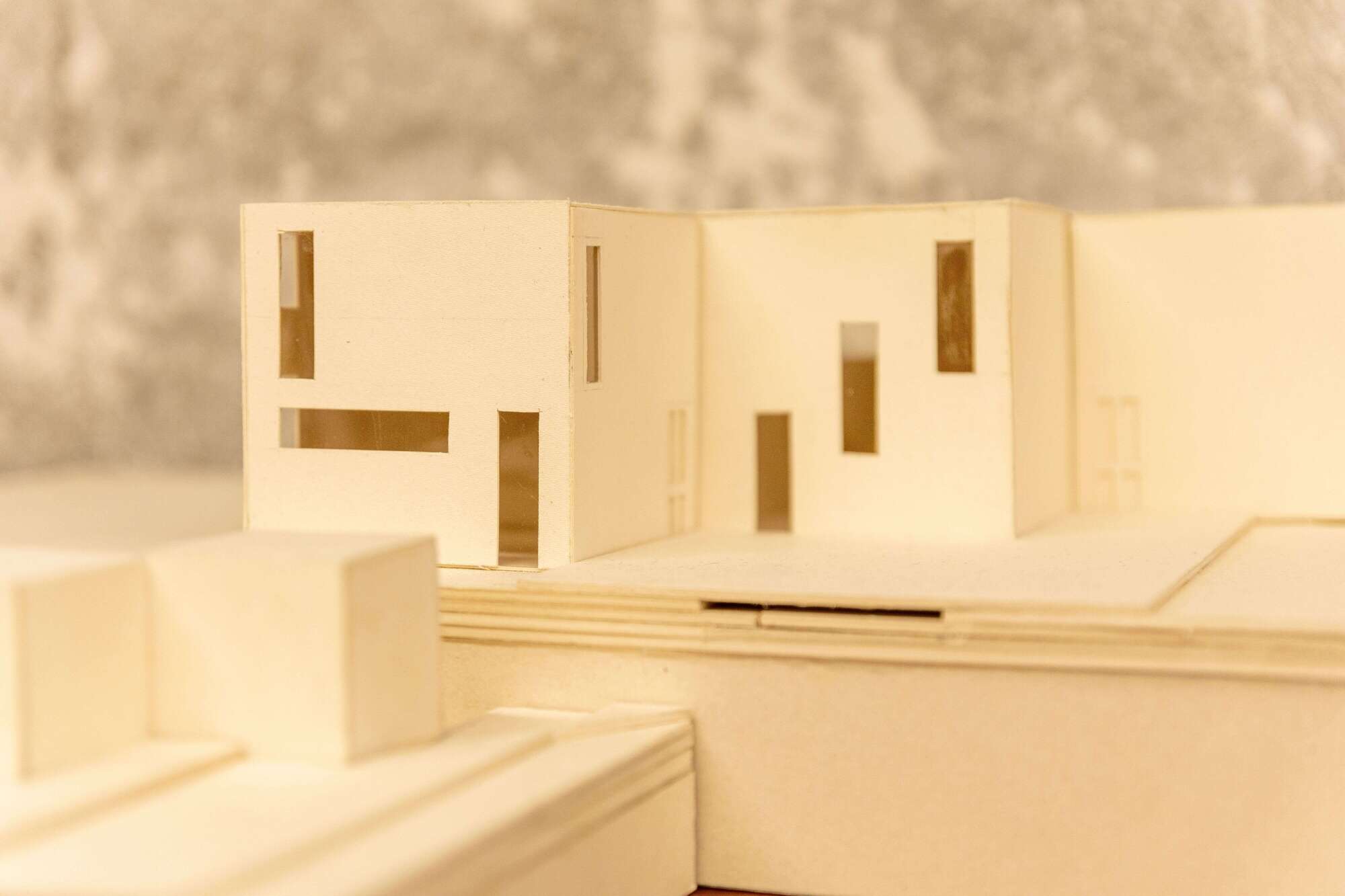
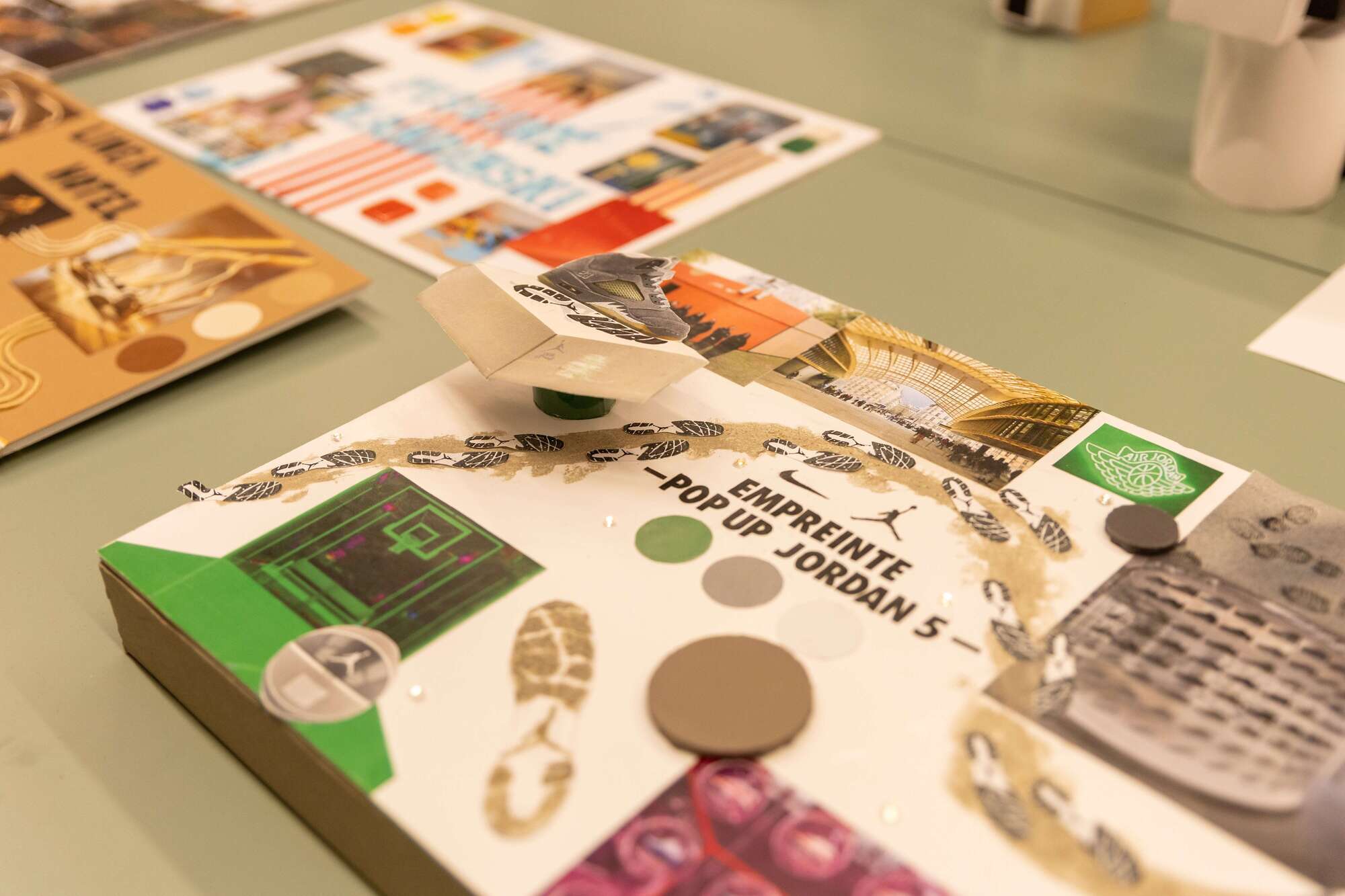
Career Opportunities and Further Education
Focused on interior architecture and design, the bachelor’s degree program trains creative and hands-on professionals who are prepared to work as associates orassistants in the field of interior architecture and design.
Through a practical and responsible approach, this training program develops the skills needed to:

Design and layout
Indoor or outdoor spaces, public or private, that combine aesthetics, ergonomics, and functionality.

Create stage designs
For cultural events, retail spaces, or pop-up installations.

Conduct research and study projects
Based on real-world situations, while taking into account technical, social, and environmental constraints.

Reflecting on Transformation
Urban and rural areas, in accordance with the principles of sustainable development and theUN’s 17Sustainable Development Goals(SDGs).
Upon completion of this program, students earn a Bachelor’s degree in Interior Architecture from the Académie Charpentier, and, depending on the level they have achieved, may continue their studies in interior architecture to earn the Interior Architect degree, RNCP Title 38011, Level 7, certified by the government.
Bachelor's Degree Enrollment and CompletionRates
2023–2024: 100/100 2024–2025: 100/100
Fifth-Grade Enrollment and Completion Rates
2025–2026: 100/100
Why choose this program?
- Small class sizes that allow for individualized attention and close monitoring of each student's progress.
- A gateway to a wide range of career opportunities: interior design for private and public spaces, exhibition design, retail space design, the hospitality industry, and more.
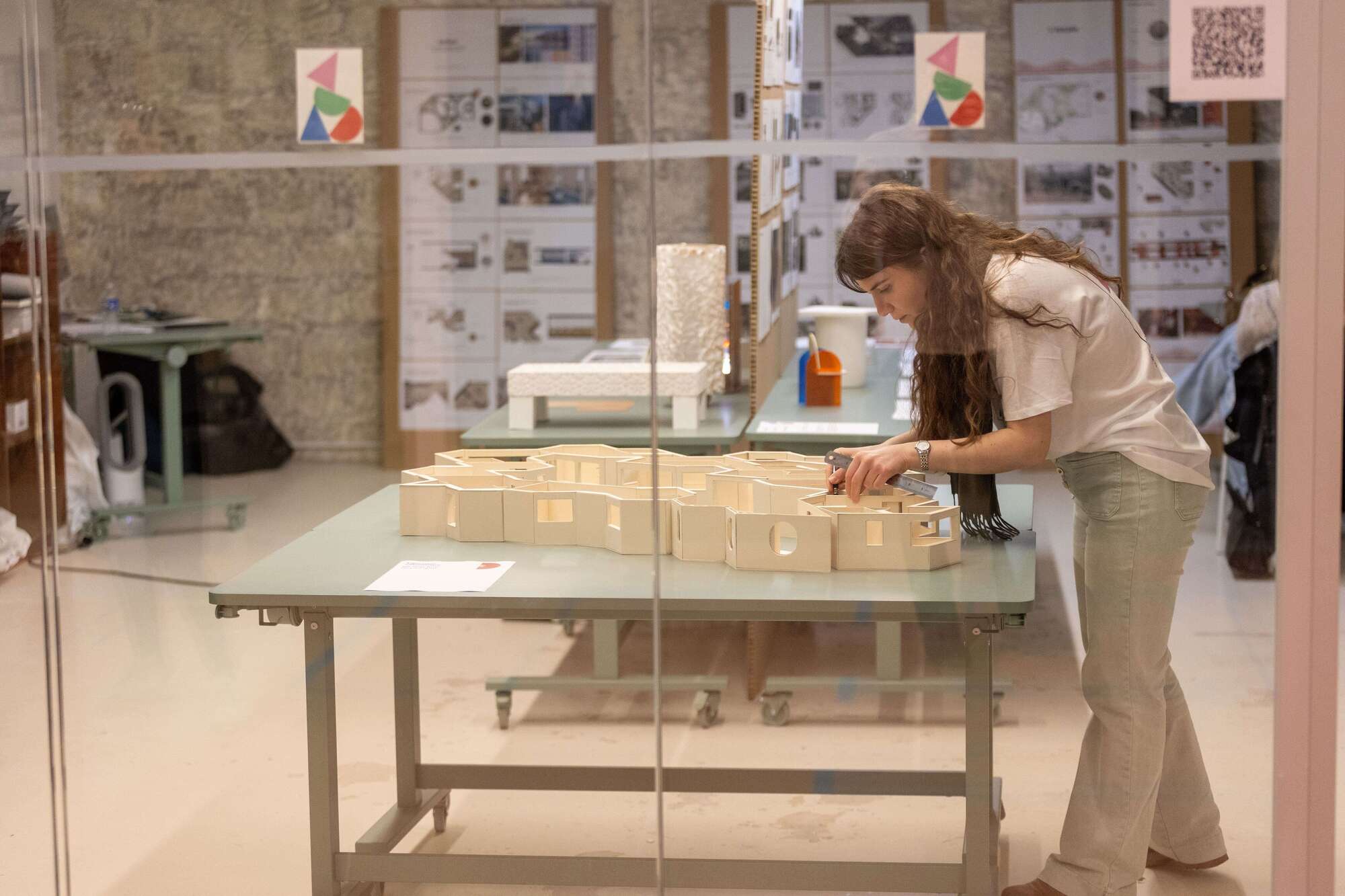
- A well-rounded curriculum combining theory, technique, and practice —drawing, volumetry, 3D modeling, sustainable design, creativity, and ergonomics.
- Professional guidance: workshops, hands-on projects, internships, conferences...all designed to facilitate entry into the workforce.
- A natural progression from the interior architecture program at the Académie Charpentier, leading tothe Interior Architect degree (RNCP38011, Level 7).


Program Details
- Take workshops in the creative arts and explore career paths related to the Academy’s programs
- Lay the groundwork for a solid artistic foundation (life drawing, history of architecture and interior design, group projects in museums, outdoor sketching)
- Learning to Analyze a Work of Art
- Develop critical thinking skills, a systematic approach, and the ability to work independently
- Experiment with new techniques.
Credits
| Course Title | Credits | |
|---|---|---|
| SEMESTER 1 | SEMESTER 2 | |
| ARTISTIC AND TECHNICAL KNOWLEDGE AND SKILLS | ||
| Analytical Drawing | 3 | 3 |
| Chromatology | 3 | 3 |
| Exterior Sketch | 3 | 3 |
| An Introduction to Eco-Responsibility in Interior Design | 3 | 3 |
| VISUAL COMMUNICATION AND PROJECT VISUALIZATION TOOLS | ||
| Hand-drawn illustration | 2 | 2 |
| Adobe Suite Software – Level 1 | 2 | 2 |
| KNOWLEDGE AND EXPERTISE IN THE HUMANITIES | ||
| Cultural Discoveries | 3 | 3 |
| Art History | 3 | 3 |
| PROJECT WORKSHOP / CAREER DEVELOPMENT | ||
| Interior Design | 3 | 3 |
| Introduction to Design | 3 | 3 |
| English | 2 | 2 |
| TOTAL | 30 | 30 |
- Master the basics
- Access technical languages
- Incorporating the specific codes of ephemeral architecture
- Understanding the Concepts of Ergonomics and Product Design
- Discover sustainable spatial design, interior architecture, and design
- Developing creativity. A two-month introductory course rounds out this year's program.
Credits
| Course Title | Credits | |
|---|---|---|
| SEMESTER 3 | SEMESTER 4 | |
| ARTISTIC AND TECHNICAL KNOWLEDGE AND SKILLS | ||
| Exterior Sketch | 3 | 3 |
| Perspective | 3 | 3 |
| Light | 3 | |
| VISUAL COMMUNICATION AND PROJECT PRESENTATION TOOLS | ||
| Software / AutoCAD | 3 | 2 |
| KNOWLEDGE AND EXPERTISE IN THE HUMANITIES | ||
| Art History | 2 | 2 |
| Methodology | 3 | 2 |
| PROJECT WORKSHOP / CAREER DEVELOPMENT | ||
| Interior Design | 6 | 4 |
| Set Design | 5 | 4 |
| Design | 5 | 4 |
| Internship | 3 | |
| TOTAL | 30 | 30 |
- Develop a more detailed vocabulary
- Design of Interior Spaces and Objects
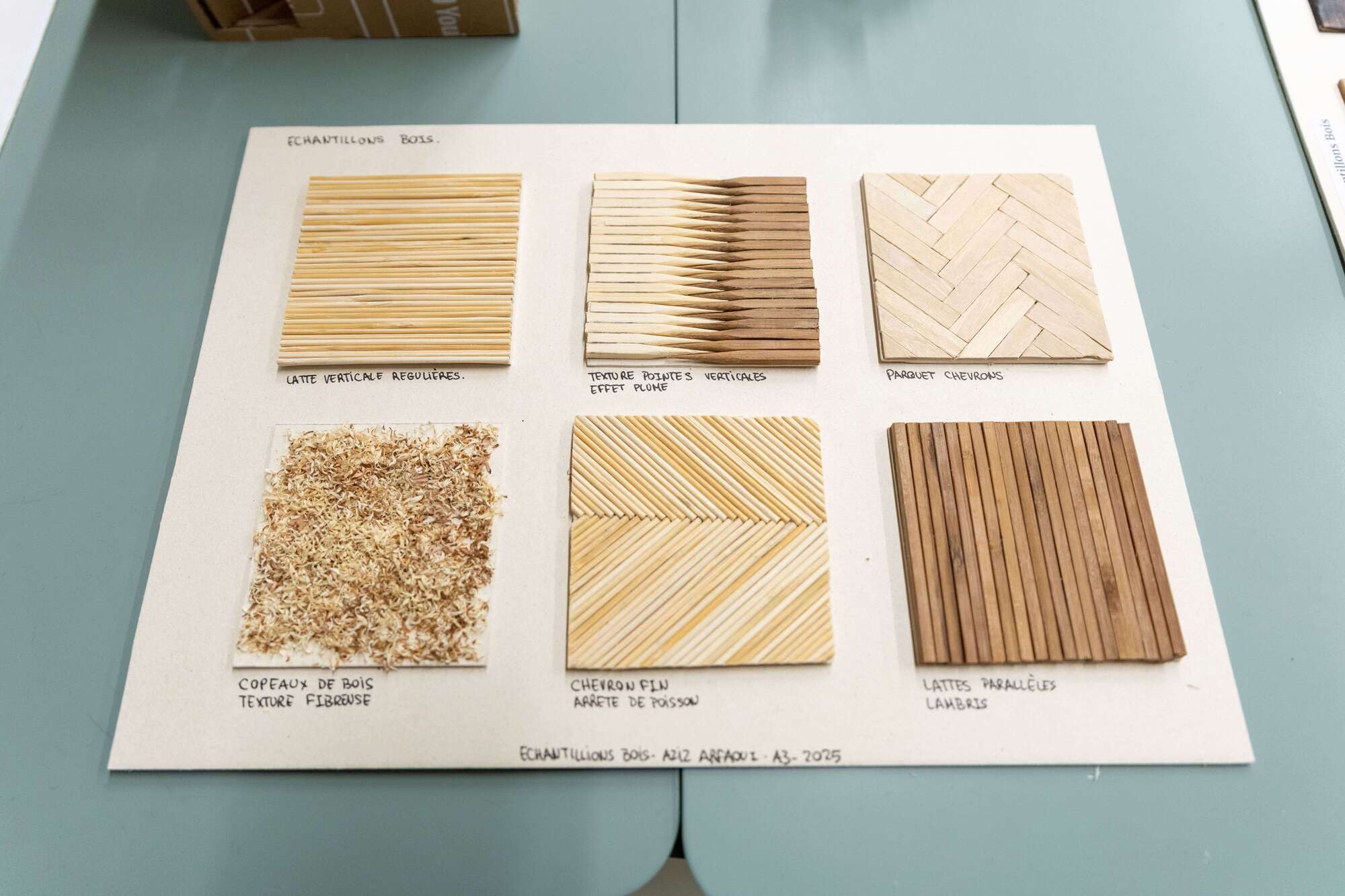
- Working with different materials.
The focus is on the organization of knowledge and the in-depth analysis of concrete projects presented to a jury composed of external professionals.
Credits
| Course Title | Credits | |
|---|---|---|
| SEMESTER 5 | SEMESTER 6 | |
| ARTISTIC AND TECHNICAL KNOWLEDGE AND SKILLS | ||
| Volumetric representation | 3 | 2 |
| VISUAL COMMUNICATION AND PROJECT PRESENTATION TOOLS | ||
| Software / Rhino | 3 | 3 |
| Visual Representation and Presentation of the Project | 3 | 3 |
| KNOWLEDGE AND EXPERTISE IN THE HUMANITIES | ||
| Methodology | 3 | 2 |
| PROJECT WORKSHOP / CAREER DEVELOPMENT | ||
| Design | 3 | 2 |
| Interior Design | 4 | 4 |
| Retail | 3 | 2 |
| Set Design | 3 | 2 |
| Materials Technology and Application | 2 | 2 |
| Overall Design | 3 | 3 |
| End-of-Program Committee – Bachelor's Degree | 5 | |
| TOTAL | 30 | 30 |
The key moments
The Interdisciplinary Project
A flagship six-week project in the second year that draws on all the skills students have acquired. Students work on a theme and location chosen by the instructors to develop a comprehensive and coherent individual project.



In a nutshell
- 180 ECTS
- Duration: 3 years (6 semesters)
- Start of the school year: September or a delayed start in January for first-year students
- Tuition: 9,800 € per year + 490 € enrollment fee
- Admission: High school graduates from all tracks + parallel admission to the 2nd or 3rd year
- Internship: 2 months at the end of the 2nd year

Testimonial
My time in school allowed me to cultivate my creativity while developing a methodical approach and an eye for detail. The diverse projects and the guidance I received from my teachers were essential in refining my approach to designing spaces.
Léa Burtey
